4 Images
Cloud Migration Solution
Cloud Migration Solution
A cloud solution delivers computing services—like servers, storage, software, analytics, and databases—over the internet, allowing users to access resources on-demand without managing physical hardware, essentially using a shared, remote infrastructure (the "cloud") for flexible, scalable, and cost-effective operations, similar to paying for electricity rather than running a power plant yourself.
SKU:
CSG-HYBRID-2024
Description
How Cloud Solutions Work
Remote Servers: Instead of owning servers, you rent computing power from a provider's data centers.
Internet Access: You access these resources via the internet, from any device, through web browsers or apps.
Shared Pool: Resources are dynamically allocated from a large pool, ensuring you only pay for what you use.
Key Service Models (The Cloud Stack)
Infrastructure as a Service (IaaS): Rent virtualized infrastructure (VMs, storage, networks).
Platform as a Service (PaaS): Get a platform for developing and running apps (e.g., databases, development tools).
Software as a Service (SaaS): Use ready-made applications (e.g., email, CRM, office suites) over the web.
Deployment Models
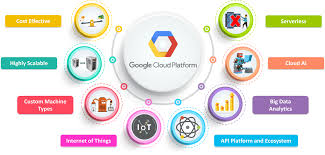
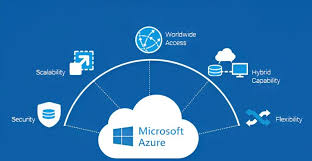
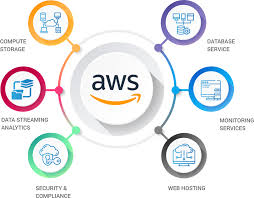
Public Cloud: Shared resources, hosted by a third party (e.g., AWS, Azure, GCP).
Private Cloud: Infrastructure dedicated to a single organization.
Hybrid Cloud: Combines public and private cloud environments.
Benefits
Scalability: Easily adjust resources up or down.
Cost-Effectiveness: Pay-as-you-go, avoiding large hardware costs.
Accessibility: Access data and apps from anywhere, on any device.
Reliability: Providers manage backups and disaster recovery.
Focus: Shifts IT focus from managing infrastructure to core business.
Remote Servers: Instead of owning servers, you rent computing power from a provider's data centers.
Internet Access: You access these resources via the internet, from any device, through web browsers or apps.
Shared Pool: Resources are dynamically allocated from a large pool, ensuring you only pay for what you use.
Key Service Models (The Cloud Stack)
Infrastructure as a Service (IaaS): Rent virtualized infrastructure (VMs, storage, networks).
Platform as a Service (PaaS): Get a platform for developing and running apps (e.g., databases, development tools).
Software as a Service (SaaS): Use ready-made applications (e.g., email, CRM, office suites) over the web.
Deployment Models
Public Cloud: Shared resources, hosted by a third party (e.g., AWS, Azure, GCP).
Private Cloud: Infrastructure dedicated to a single organization.
Hybrid Cloud: Combines public and private cloud environments.
Benefits
Scalability: Easily adjust resources up or down.
Cost-Effectiveness: Pay-as-you-go, avoiding large hardware costs.
Accessibility: Access data and apps from anywhere, on any device.
Reliability: Providers manage backups and disaster recovery.
Focus: Shifts IT focus from managing infrastructure to core business.
Key Features
- Hybrid Cloud Integration
- Multi-Protocol Support (NFS/SMB/iSCSI)
- Local Cache Acceleration
- Automatic Data Tiering
- Data Deduplication
- Compression Technology
- Encryption at Rest & Transit
- AWS/Azure/GCP Compatible
- High Availability
- Centralized Management
Applications
- Data Backup & Archive
- Disaster Recovery
- File Sharing & Collaboration
- Application Storage
- Media & Content Storage
- Compliance & Retention
- Development & Testing
- Remote Office Connectivity
Interested in This Product?
Get in touch with us for pricing, specifications, and more information